
Favorite Storm Restoration Tools For Fast Property Recovery
Identify must-have tools and supplies that streamline the restoration process and minimize downtime.
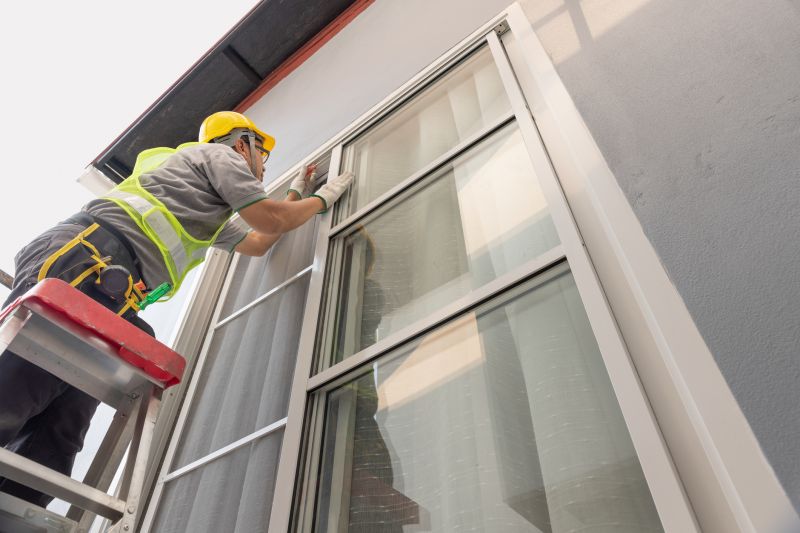 Storm restoration projects in Jacksonville, FL, often require a comprehensive approach to repair and reinforce structures affected by severe weather. From hurricanes to heavy storms, having the right products on hand can facilitate efficient and effective restoration efforts. Essential items include durable roofing materials, water-resistant barriers, and reliable sealing solutions that help protect properties from further damage. In addition, tools and equipment designed for quick installation and repair can significantly reduce downtime and costs. Proper planning and selecting the appropriate products are crucial steps in ensuring safety and resilience during the storm recovery process.
Top Overall Option
Impact-Resistant Roofing System
A comprehensive impact-resistant roofing system offers enhanced protection against wind and debris, helping to safeguard structures during severe storms. These systems typically include specialized shingles or panels designed to withstand high-impact forces and resist damage. When paired with proper underlayment and sealing components, they provide a durable barrier that can reduce the risk of leaks and structural compromise. Selecting a high-quality impact-resistant roofing system can contribute to long-term resilience and peace of mind in storm-prone areas.
Types of Products For Storm Restorations
Impact-Resistant Roofing Materials
Materials designed to withstand impact from debris and high winds, often including specialized shingles and panels.
Waterproof Barriers and Membranes
Protective layers installed beneath roofing or siding to prevent water intrusion during heavy rain.
Sealants and Caulks
Flexible compounds used to seal gaps, joints, and penetrations to prevent leaks and drafts.
Heavy-Duty Tarps
Durable tarps used for temporary covering of damaged areas or as a quick protective measure.
Structural Reinforcement Components
Items such as hurricane straps, braces, and anchors that strengthen the building's frame against storm forces.
Portable Generators
Reliable power sources essential for ongoing repairs when main power is unavailable.
Storm-Resistant Windows and Doors
Impact-resistant glass and reinforced frames designed to withstand high winds and flying debris.
Drainage and Erosion Control Products
Solutions like sandbags, barriers, and drainage systems to manage water runoff and prevent flooding.
Emergency Lighting and Signage
Lighting and signs that aid safety and navigation during and after storm events.
Debris Removal Tools
Equipment such as chainsaws, leaf blowers, and debris bins for clearing storm damage efficiently.
Siding and Exterior Cladding
Durable exterior materials that resist impact and weathering, enhancing building resilience.
Roofing Underlayment
Protective layers installed beneath roofing materials to add an extra barrier against moisture.
Flood Barriers and Shields
Devices designed to divert water and protect entrances from flooding.
Ventilation and Dehumidification Equipment
Tools to control moisture levels inside structures, preventing mold growth after water intrusion.
Fire-Resistant Building Materials
Materials that provide additional safety in case of fire hazards associated with storm damage.
Popular Choices
Widely used for their durability against storm debris and high winds.
Commonly employed for temporary coverage of damaged areas.
Popular for their ability to withstand impact and prevent breakage during storms.
Frequently selected for structural reinforcement to improve building stability.
Often used to seal cracks and joints to prevent water intrusion.
In high demand for powering tools and essential appliances during outages.
Chosen for their strength and ability to resist wind and debris impact.
Popular for flood prevention and water diversion efforts.
Commonly used to protect entrances and vulnerable areas from water intrusion.
Frequently selected for added moisture protection beneath roofing materials.
Chosen for their impact resistance and weatherproof qualities.
Popular for ensuring visibility and safety during power outages.
Essential tools for clearing storm-related debris efficiently.
Often used post-storm to reduce indoor moisture and prevent mold growth.
Frequently installed to minimize the risk of shattering during storms.
Restoring a property after a storm involves addressing multiple vulnerabilities, such as roof integrity, water intrusion, and structural stability. High-quality roofing components like impact-resistant shingles and metal panels are commonly used to withstand strong winds and flying debris. Water barriers and sealants are vital for preventing leaks and moisture intrusion, which can lead to mold and decay if not properly managed. Portable generators and power tools are also valuable for ongoing repair work, especially when local power supplies are disrupted. Ensuring that all restoration products meet industry standards can help achieve long-lasting results and improve the property's ability to endure future storms.
In Jacksonville, FL, where storms are a seasonal concern, having a well-stocked selection of storm restoration products can make a significant difference in recovery efforts. It is advisable to choose products that are easy to install, versatile for various repair needs, and capable of providing reliable performance under harsh conditions. Consulting with local contractors or restoration specialists can help identify the most suitable options for specific property types and damage levels. Ultimately, preparedness and the right product choices can streamline the restoration process, minimize additional damage, and support the safety of residents and property owners alike.
Key Buying Considerations
- Assess the specific storm risks in Jacksonville, FL, including wind speeds and debris impact levels.
- Choose products that meet or exceed local building codes and industry standards for storm resistance.
- Consider the ease of installation and whether professional help is needed for certain products.
- Evaluate the durability and lifespan of materials to ensure long-term protection.
- Look for products with proven performance in storm-prone environments, including impact resistance ratings.
- Determine compatibility with existing structures and materials to facilitate seamless repairs.
- Prioritize products that offer versatile applications for different areas of the property.
- Review warranty and support options to ensure assistance if issues arise post-installation.
- Factor in the availability of replacement parts and accessories for ongoing maintenance.
- Consider the overall cost-effectiveness, balancing initial investment with durability and performance.
- Check for ease of transportation and storage, especially for temporary or emergency products.
- Research local suppliers and distributors for quicker access to needed items.
- Evaluate the environmental conditions of your property, such as exposure to saltwater or humidity, which can affect material choice.
- Ensure that safety features are incorporated, especially for products that require installation at height or in confined spaces.
- Stay informed about new product innovations and updates that could enhance storm resilience.